

Monster Hunter Stories 3 Review: Exciting Monster Encounters and Strategic Turn-Based Battles
The RPG spin-off series based on the world of Monster Hunter, Monster Hunter Stories, returns with its latest installment: Monster Hunter Stories 3: The Twin Dragons of Destiny.
The game will launch on March 13, 2026, for Nintendo Switch 2, PlayStation 5, Xbox Series X and Series S, and PC via Steam.
Ahead of release, this review shares impressions from a writer who completed the main story campaign. The game was played on the Steam version, and this review avoids major story spoilers so readers can enjoy it safely.
Meeting Familiar Monsters Makes Exploration Exciting
The story takes place in a world gradually falling into ruin due to a mysterious petrification phenomenon.
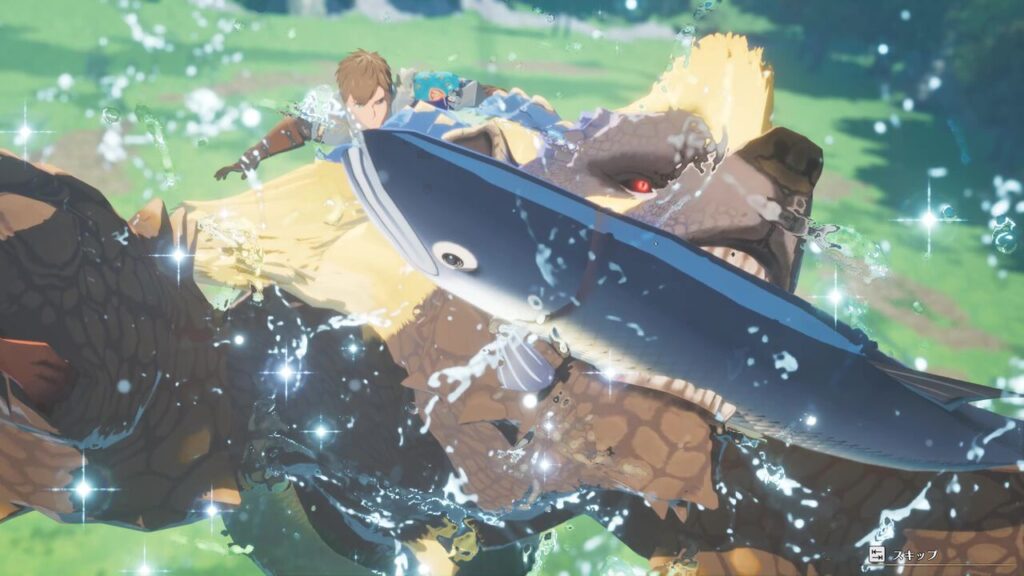
Compared to previous entries, characters now feature more realistic proportions, and improved graphics bring richer facial expressions and cinematic storytelling. These upgrades significantly enhance the emotional impact of the narrative.
Without revealing spoilers, the story follows a classic RPG structure: uncovering hidden truths while confronting a growing threat. The narrative remains easy to follow thanks to minimal complicated terminology, though it still includes surprising twists along the way.
Even players who haven’t played previous entries can enjoy the story. However, fans of earlier Monster Hunter Stories games may notice additional details and references that make the experience even richer.
Exploring the World and Encountering Iconic Monsters
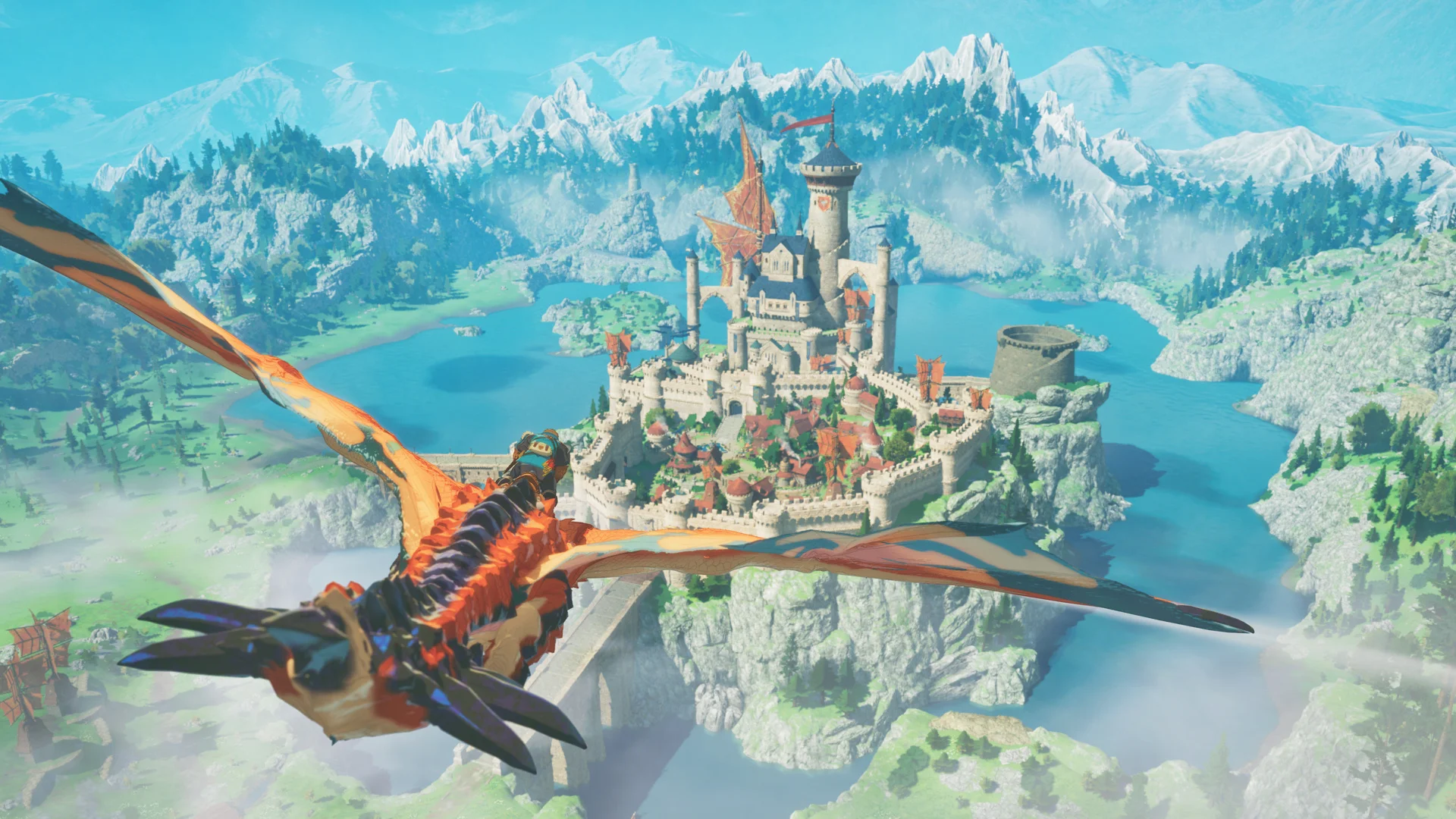
As players progress through the story, they will explore a wide variety of environments filled with monsters familiar to fans of the Monster Hunter series.
For longtime fans, moments like spotting a favorite monster often trigger excitement:
- Challenge monsters to obtain materials for crafting equipment
- Search nearby monster dens for eggs
- Discover new companions and strengthen your team
Every new location encourages exploration, and it becomes easy to get distracted from the main story while hunting for materials or rare monsters.
Interestingly, these detours rarely feel tedious. Instead, they create a satisfying sense of growth typical of classic RPGs.
Rich and Vertical Field Design
The game’s environments feature highly vertical map design, offering many hidden discoveries.
Players may encounter:
- Small caves hidden across lakes
- Secret entrances at the base of mountains
- Hidden areas that aren’t visible at first glance
Exploration also feels smoother thanks to improvements in Monstie (Otomon) switching. Players can now swap companions without changing screens, and Monsties can use multiple ride actions, making exploration far more seamless.
These improvements make it tempting to search every corner of the map.
Strategic Command Battles Become More Rewarding Over Time
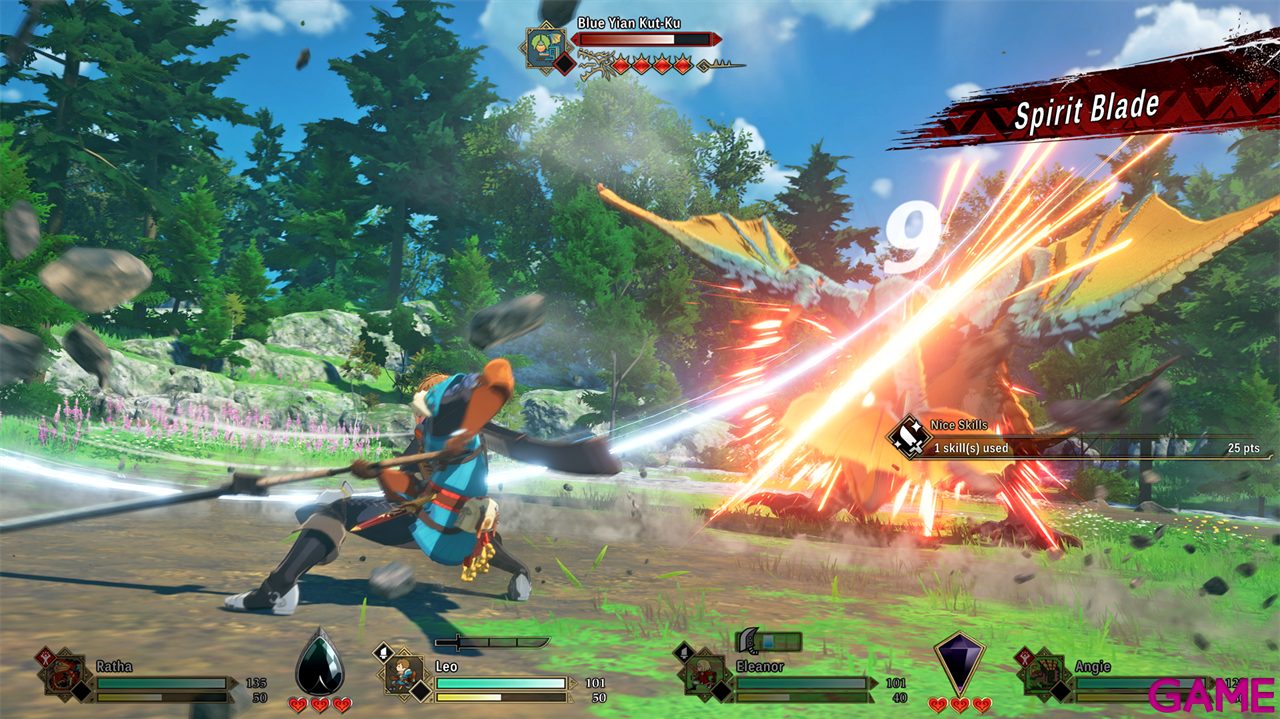
Combat in Monster Hunter Stories 3 uses a turn-based command system.
The classic rock-paper-scissors mechanic returns:
- Power
- Speed
- Technical
Each attack type counters another, forming the core of the battle system.
The foundation is simple: use normal attacks or skills to reduce enemy HP. However, when both the player and the enemy target each other, a head-to-head clash occurs, similar to a rock-paper-scissors showdown.
Because of this intuitive structure, even newcomers can quickly grasp the system.
Deeper Strategy Through New Mechanics
Battles go far beyond simple guessing games. Several mechanics add layers of strategy.
For example:
- Target specific monster body parts to break them
- Cancel powerful enemy attacks through part destruction
- Use skills to increase defense or control the battle flow
The game’s UI clearly shows:
- Which body parts can be broken
- Enemy elemental weaknesses
- Tactical benefits of each target
This design keeps the system accessible while still allowing deeper strategic planning.
New Battle Elements: Stamina and Dragon Energy
Two new mechanics deepen the combat experience:
- Stamina – required to use powerful skills
- Dragon Energy Gauge – represents the monster’s fighting spirit
Both mechanics successfully adapt traditional Monster Hunter-style systems into a turn-based RPG format, adding strategic depth to encounters.
Players will also face frenzied monsters affected by petrified ore, which introduce unique mechanics such as visual clues and altered counterattack timing.
Learning each monster’s behavior becomes part of the challenge.
Puzzle-Like Battles with Invasion Beasts
One of the most interesting additions is the battle against Invasion Beasts.
These encounters feature a special system called “Return-to-Nest Battles.” Players must gather clues around the area to figure out how to drive the creature back to its nest.
These battles often feel like solving puzzles rather than simply fighting.
In one case, the reviewer spent nearly an hour figuring out the solution—but the sense of achievement after succeeding was immense.
Returning these creatures to their nests can reward players with eggs from endangered monster species, allowing new monsters to enter the ecosystem.
Monstie Training Is More Accessible Than Ever
Collecting and raising Monsties (Otomon) has always been a core feature of the series, and Monster Hunter Stories 3 expands it further with a new system called Village Hatching.
Players can release Monsties into the wild to expand ecosystems within each region. While it’s not a full sandbox system, it creates the feeling of building your own world.
As a monster’s Ecology Rank increases:
- Higher rarity eggs appear more frequently
- Strong Monsties become easier to obtain
Dual-Element Monsters and Unique Skills
One of the most exciting additions is the creation of dual-element monsters.
When a monster becomes fully integrated into a region’s ecosystem, new monsters can be born with:
- Their original element
- The element of the region they inhabit
These monsters also gain unique abilities called Hatch Skills, many of which are powerful and creatively designed.
This system encourages players to spend hours collecting eggs instead of progressing the main story.
Gene Inheritance System Improved
The popular Rite of Channeling system also returns.
This mechanic allows players to transfer Bond Genes between Monsties, creating custom builds.
Additionally:
- Matching patterns horizontally, vertically, or diagonally triggers Bingo bonuses
- Genes can now be moved more easily
- Transferring genes no longer consumes the Monstie
These changes make creating the ideal companion far easier than before.
Tons of Endgame Content
Beyond Monstie training, the game includes many additional activities:
- Discover hidden items through exploration
- Fully upgrade equipment and obtain decorations
- Challenge powerful Elder Dragons that appear at night
There’s always something new to pursue.
Final Verdict
With polished systems and thoughtful improvements, Monster Hunter Stories 3 represents a major evolution for the series as an RPG.
Fans of Monster Hunter will constantly find moments of excitement, while newcomers can enjoy the game thanks to its accessible mechanics and strong RPG design.
A demo version with save transfer to the full game is currently available, making it easy for players to try the adventure before launch.
Personally, I’m also looking forward to the Rudi side story, scheduled to release in Fall 2026.